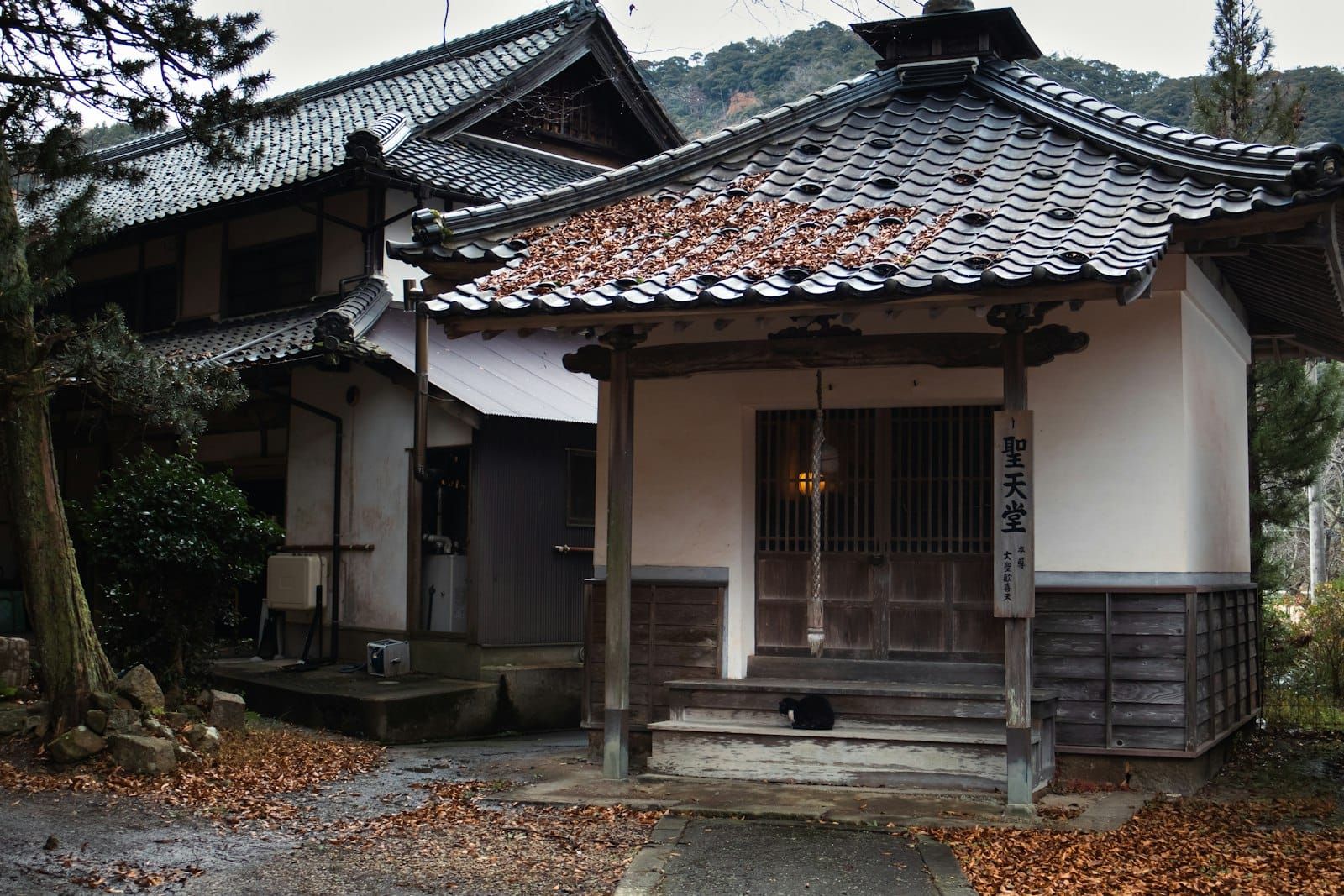
Kinosaki Onsen is the onsen town that works exactly the way you hope an onsen town works: you check in, put on a yukata, and spend the evening clacking down a willow-lined canal street in wooden geta, hopping from bathhouse to bathhouse. It’s also refreshingly easy to reach — a single limited express from Osaka, no transfers. Here’s the access rundown, plus one thing most English guides haven’t caught up with: the town’s famous “seven public baths” are currently six — Satono-yu has been closed since April 2024.
The short answer: ride the Limited Express Kounotori from Shin-Osaka/Osaka direct to Kinosaki-Onsen Station (about 2¾ hours), stay the night, and bathe on your ryokan’s free pass. If it’s part of a bigger rail week, the Kansai WIDE Area Pass covers the whole ride.
Getting there
From Osaka — the Kounotori. The direct Limited Express Kounotori links Shin-Osaka and Osaka with Kinosaki-Onsen in roughly 2 hours 40–50 minutes, running inland via Fukuchiyama. This is the default route: one seat, zero transfers, done.
From Kyoto — the Kinosaki. Kyoto has its own direct limited express (the Kinosaki), taking around two and a half hours — so a Kyoto-based trip doesn’t need to route through Osaka at all.
From Osaka the scenic way — the Hamakaze. The Hamakaze limited express reaches the Kinosaki area by a different route — via Himeji and the Bantan Line — which is the same corridor as Takeda Castle. A small number of Hamakaze services stop at Takeda station in season: castle ruins at dawn, onsen by dusk is a legitimately great combination. Services are few; check the current timetable before building the day around it.
By bus. The town’s official site notes direct Zentan buses between Osaka–Kinosaki and Kobe–Kinosaki — the budget option if train times don’t suit; check Zentan’s site for current schedules and fares.
Pass math. Kinosaki Onsen is inside the Kansai WIDE Area Pass area and the Kounotori is a covered train — an Osaka⇔Kinosaki round trip is exactly the kind of long double-leg that makes the ¥12,000 pass pay for itself. Our pass guide runs the decision logic.

The baths: what’s actually open in 2026
Kinosaki’s identity is built on its sotoyu — public bathhouses strung along the town, visited in yukata like a pilgrimage. The classic count is seven, but as of our check (2026-07-28) the tourism association’s official bath page lists six in operation:
| Bath | Hours | Closed |
|---|---|---|
| Kō-no-yu (鴻の湯) | 7:00–23:00 | Tuesdays |
| Ichino-yu (一の湯) | 7:00–23:00 | Wednesdays |
| Goshono-yu (御所の湯) | 7:00–23:00 | Thursdays |
| Jizō-yu (地蔵湯) | 7:00–23:00 | Mondays |
| Mandara-yu (まんだら湯) | 15:00–23:00 | Wednesdays |
| Yanagi-yu (柳湯) | 15:00–23:00 | Thursdays |
Satono-yu — the big station-front bath with the rooftop rotenburo — has been closed year-round since April 2024 (per the tourism association’s operational notices). If an older guide promises you seven, that’s why the count doesn’t add up on the ground.
What it costs:
- Single bath entry: ¥800 adult / ¥400 child
- “Yumepa” day pass: ¥1,500 adult / ¥750 child — unlimited entry to all baths for the day. Bathing at two or more baths, the pass wins. (Small on-the-ground spending like this is what the yen-in-pocket rule in our money guide is for.)
- Staying overnight? Ryokan guests are generally issued a free bath-hopping pass valid during the stay — confirm with your inn at check-in. This is the single best reason to sleep in Kinosaki rather than day-trip it (how to choose among the 74+ inns).

A sane half-day-to-overnight plan
- Arrive mid-afternoon on the Kounotori, check in, change into yukata (inns lend them and will show you how).
- Evening: three baths, unhurried — a 7:00-opening bath before dinner, the canal stroll between, an evening soak after. Note each bath’s weekly closing day above so your must-visit isn’t shut.
- Dinner: this is Tajima country — the source region of Kobe beef — and crab season (winter) is the town’s famous table. Our Tajima vs Kobe beef guide explains what to order and why.
- Morning: one more bath at 7:00, then the train — or continue the Bantan corridor south for Takeda Castle.
Crab season in Kinosaki (Nov–Mar)
Winter rewires this town. Matsuba crab — the local name for snow crab landed on this stretch of the Japan Sea coast, “caught in the Japan Sea just ten minutes from Kinosaki Onsen” per the official tourism site — is in season November through March; the town’s official accommodation listings run crab plans from November 6 to March 20, with the exact dates shifting slightly by year and fishery rules. The prized local crabs come tagged from Tsuiyama, Kinosaki’s own fishing port, which throws a festival for the fishermen every November when the season opens.
What “kani kaiseki” means: a full crab course — typically sashimi, grilled, boiled, and hotpot renditions of the same animal, padded out with local dishes. The official line is that “almost all inns in Kinosaki Onsen offer plans with kaiseki banquet dinners… and during November to March, these meals more often than not feature snow crab.” Female sekogani — smaller, prized for their roe — appear too, on a shorter window; ask your inn. (Crab is one half of the local table; the other is Tajima beef — our Tajima vs Kobe guide covers that.)
The booking reality: the official visitor-season page is blunt that Kinosaki “sees a surge in visitors during this time due to the crab season.” One bath town, 70-plus inns, and a dish everyone arrives for at once — so treat crab season like peak season, because it is one: the season-opening weeks and winter weekends are the dates to lock in first, and booking months ahead for a November or weekend crab dinner is the safe play, not paranoia.
Two inns whose crab plans we verified on the town’s official listings (2026-09-16): Tsukimotoya runs a full snow-crab-course plan (check Tsukimotoya on Booking.com), and Ryokan Sensui’s signature winter plan serves one tagged Tsuiyama crab per person (check Ryokan Sensui on Booking.com). For everything else with your dates, browse Kinosaki Onsen stays on Booking.com and cross-check our where-to-stay guide. (Accommodation links on Beyond Kansai are monetized via Stay22 — a booking may earn us a small commission at no extra cost to you. Disclosure.)
Quick FAQ
- Do I need a car? No — the station sits at the edge of the bath street; the whole town is walkable.
- Are tattoos a problem? Policies vary by bath and change; check with the tourism association or your ryokan rather than assuming either way.
- Is it worth it as a day trip from Osaka? It works (¥1,500 Yumepa + lunch), but the town’s magic is the after-dark yukata stroll — the overnight is the real product.
- Six baths or seven? Six operating as of July 2026 — Satono-yu is closed (since April 2024). Check the official page for reopening news.
- When is crab season in Kinosaki? November through March — the official accommodation listings run Matsuba crab plans from November 6 to March 20 (dates can shift slightly by year; each season’s opening is set by the fishery calendar).
- Do I need to book months ahead for crab season? For the safe dates, yes. The official visitor guide notes a surge in visitors during crab season, and the opening weeks plus winter weekends go first — book those months out. Midweek dates in January–February are the softer target.
Editor’s note
This is a logistics guide with no personal-experience claims. Bath lineup, hours, closing days and prices (single entry ¥800, Yumepa ¥1,500) were checked against the Kinosaki Onsen Tourism Association’s official pages on 2026-07-28, including Satono-yu’s year-round closure (since April 2024). Crab-season facts — the November–March Matsuba season, the November 6–March 20 plan window on the town’s official accommodation listings, the Tsuiyama port and its November festival, the “almost all inns” kaiseki wording, the visitor surge, and the Tsukimotoya / Ryokan Sensui crab plans — were checked against Visit Kinosaki (the official destination site) on 2026-09-16. Season dates are set each year by the fishery calendar — confirm the current season’s dates before booking around them. Train durations are approximate figures from route references — check a timetable app for your date, and note the Hamakaze’s Takeda stops are seasonal. Hours, fares and bath operations change; the official pages below are the source of truth. Drafted with AI assistance and editor-verified.
Sources
- Sotoyu (public baths) — Kinosaki Onsen Tourism Association official (hours, closing days, ¥800/¥1,500 Yumepa; retrieved 2026-07-28)
- Sotoyu lineup & status (Satono-yu closure reflected) — Kinosaki Onsen Tourism Association official (replaced expired news URL, retrieved 2026-08-31)
- Access — Visit Kinosaki official (limited expresses, Zentan direct buses; retrieved 2026-07-28)
- Local specialties — Visit Kinosaki official (Matsuba crab Nov–Mar, “ten minutes from Kinosaki,” sekogani; retrieved 2026-09-16)
- Snow crab season — Visit Kinosaki official (“almost all inns… more often than not feature snow crab”; retrieved 2026-09-16)
- Seasons — Visit Kinosaki official (winter visitor surge due to crab season; retrieved 2026-09-16) / Tsuiyama Crab Festival — Visit Kinosaki official (port, November festival; retrieved 2026-09-16)
- Tsukimotoya snow-crab full-course plan (Nov 6–Mar 20 window) — Visit Kinosaki official listings (retrieved 2026-09-16) / Ryokan Sensui one-tagged-crab-per-person plan (retrieved 2026-09-16)
- Kansai WIDE Area Pass — JR West official (Kinosaki area & Kounotori coverage)
- Limited Express Kounotori — JPRail (duration reference) / Kinosaki hot spring baths — japan-guide (ryokan guest pass reference)